Solar Project Management: The Complete Guide for Solar EPC Companies in India (2026)
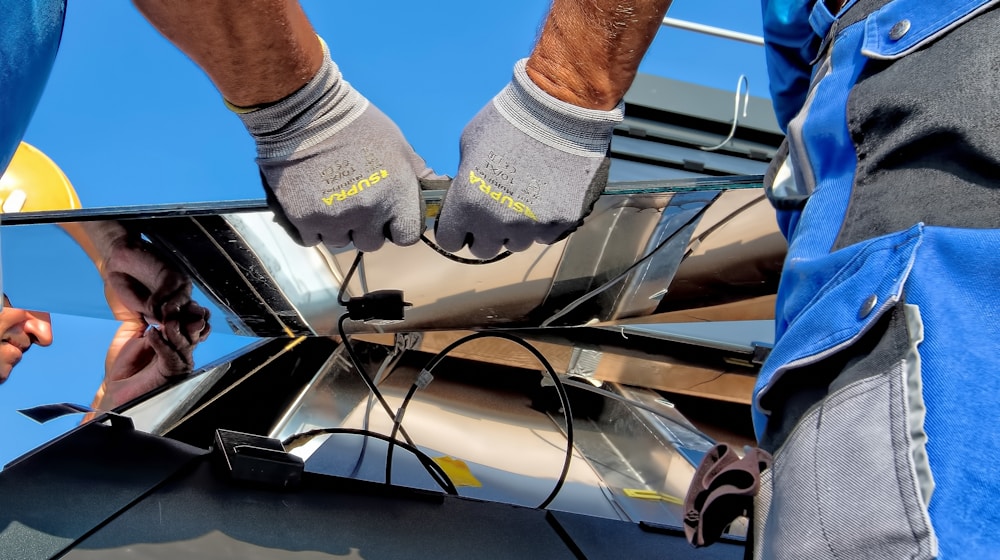
Solar Project Management: The Complete Guide for …
Solar Project Management: The Complete Guide for Solar EPC Companies in India (2026)
---
Solar Project Management: The Complete Guide for Solar EPC Companies in India (2026)
Winning a solar project is only the beginning. The real challenge starts after the customer signs the agreement. Every successful Solar EPC company knows that delivering projects on time, within budget, and according to engineering standards is what builds long-term trust and generates referrals.
Solar project management is much more than scheduling installations. It involves coordinating sales teams, design engineers, procurement specialists, logistics partners, installers, electricians, customers, and utility authorities to ensure every phase of the project progresses smoothly.
Whether you are installing a 3 kW residential rooftop system, a 250 kW commercial plant, or a 5 MW industrial project, structured project management reduces delays, improves quality, and increases profitability.
This guide explains every stage of Solar Project Management and provides practical best practices that Solar EPC companies can implement immediately.
---
What is Solar Project Management?
Solar Project Management is the process of planning, coordinating, executing, monitoring, and completing a solar project while meeting technical, financial, safety, and customer requirements.
It includes:
A structured project management process helps ensure consistency across all projects.
---
Why Project Management is Important
Poor project management can lead to:
In contrast, organized project management improves operational efficiency and enhances customer confidence.
---
Complete Solar Project Lifecycle
Every solar project follows a series of interconnected stages.
Stage 1: Customer Enquiry
The process begins when a customer contacts your company through:
At this stage, gather basic information including:
---
Stage 2: Site Survey
A detailed site survey is essential before preparing the final proposal.
During the survey, inspect:
Capture photographs and measurements to support the engineering team.
---
Stage 3: Engineering Design
After the survey, the engineering team prepares the system design.
This typically includes:
Accurate engineering reduces installation challenges and improves system performance.
---
Stage 4: Proposal Approval
Present the customer with a comprehensive proposal that includes:
Answer customer questions promptly and transparently before finalizing the agreement.
---
Stage 5: Procurement
Once the order is confirmed, procure all required materials.
Typical procurement includes:
Verify delivery schedules to avoid installation delays.
---
Stage 6: Installation Planning
Before installation begins:
A pre-installation checklist minimizes unexpected issues on site.
---
Stage 7: Installation
The installation process generally includes:
Each stage should be inspected before moving to the next.
---
Stage 8: Testing and Commissioning
Before handing over the project:
Testing ensures the system operates safely and according to design expectations.
---
Stage 9: Customer Handover
Provide the customer with:
Explain how to monitor system performance and whom to contact for support.
---
Stage 10: After-Sales Support
The relationship with the customer continues after installation.
Offer services such as:
Strong after-sales support encourages repeat business and referrals.
---
Building a Project Timeline
Create a realistic schedule that includes:
Activity
Suggested Timeline
Site Survey
1–2 Days
Engineering Design
2–3 Days
Proposal Approval
Depends on Customer
Procurement
3–7 Days
Installation
1–10 Days (Project Size)
Testing
1 Day
Commissioning
1 Day
Documentation
1 Day
Regularly review progress and communicate any changes to the customer.
---
Project Documentation
Maintain organized records throughout the project.
Documents may include:
Proper documentation simplifies future maintenance and warranty support.
---
Quality Control
Quality should be monitored at every stage.
Inspect:
Photographic documentation helps verify work and resolve future disputes if required.
---
Safety Management
Safety is a fundamental responsibility on every solar project.
Provide:
Regular toolbox talks and site inspections help maintain a safe working environment.
---
Managing Project Risks
Common project risks include:
Identify potential risks early and prepare contingency plans wherever possible.
---
Project Management Software
As your business grows, spreadsheets become difficult to manage.
Project management software can help track:
Centralized project information improves coordination across departments.
---
Key Performance Indicators (KPIs)
Monitor these KPIs regularly:
These metrics help identify opportunities for operational improvement.
---
Common Project Management Mistakes
Avoid these mistakes:
Learning from each completed project strengthens future performance.
---
Future of Solar Project Management
Technology is changing the way Solar EPC companies manage projects.
Emerging innovations include:
Businesses that embrace digital workflows will improve productivity and customer satisfaction.
---
Frequently Asked Questions
Why is project management important for Solar EPC companies?
It helps deliver projects on time, maintain quality, control costs, and improve customer satisfaction.
Can project management software help small EPC companies?
Yes. Even small businesses benefit from better organization, task tracking, and communication.
What is the biggest challenge during project execution?
Coordinating people, materials, timelines, and customer expectations while maintaining quality and safety.
How can project delays be reduced?
Plan procurement carefully, maintain clear communication, monitor progress regularly, and prepare for potential risks.
---
Conclusion
Successful Solar EPC companies are built on strong execution, not just strong sales. Effective project management ensures that every stage—from site survey to commissioning—is completed efficiently, safely, and professionally.
By standardizing workflows, maintaining clear documentation, investing in quality control, and using digital project management tools, businesses can improve operational efficiency, reduce costs, and build lasting customer relationships.
---
Manage Solar Projects Efficiently with Staredge
Coordinating surveys, proposals, procurement, vendors, installation teams, and customer communication across multiple spreadsheets can quickly become overwhelming.
Staredge is developing an integrated platform that helps Solar EPC companies manage projects from enquiry to commissioning. With tools for proposal generation, vendor management, project tracking, and business operations, Staredge enables teams to collaborate more effectively and deliver projects with greater confidence.
Whether you're handling a few rooftop installations each month or managing large commercial and industrial projects across multiple cities, digital project management can help you save time, improve quality, and scale your Solar EPC business.
Table of Contents
- What is Solar Project Management?
- Why Project Management is Important
- Complete Solar Project Lifecycle
- Stage 1: Customer Enquiry
- Stage 2: Site Survey
- Stage 3: Engineering Design
- Stage 4: Proposal Approval
- Stage 5: Procurement
- Stage 6: Installation Planning
- Stage 7: Installation
- Stage 8: Testing and Commissioning
- Stage 9: Customer Handover
- Stage 10: After-Sales Support
- Building a Project Timeline
- Project Documentation
- Documents may include:
- Quality Control
- Safety Management
- Managing Project Risks
- Common project risks include:
- Project Management Software
- Key Performance Indicators (KPIs)
- Common Project Management Mistakes
- Future of Solar Project Management
- Frequently Asked Questions
- Why is project management important for Solar EPC companies?
- What is the biggest challenge during project execution?
- How can project delays be reduced?
- Conclusion
- Manage Solar Projects Efficiently with Staredge
Project Scheduling
Manage site surveys, design handovers, material dispatches, and commissioning timelines.
- • Site survey details checklists
- • Material delivery trackers
- • Workforce assignment schedules
Quality Control Checklists
Perform routine checks on structure alignments, bolt torques, cable dressing, and earthing values.
- • Structure mounting alignments
- • DC/AC wiring insulation tests
- • Net metering documentation
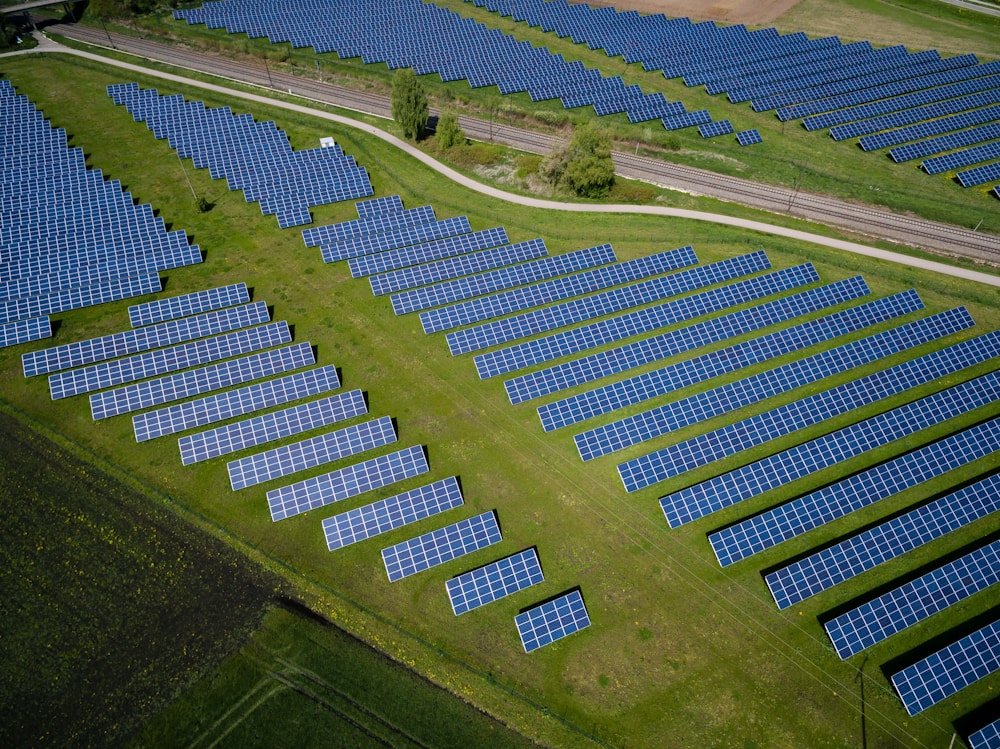
On-Site Safety Gear
Maintain electrical safety tools, harnesses, PPE helmets, and safety shoes for project teams.
- • PPE helmets & harnesses
- • Toolbox safety briefings
- • Electrical isolation procedures

Scale Your Solar EPC Company with Staredge
Automate solar proposal generation, create 3D roof layouts, discover verified vendors, and manage solar projects from enquiry to commissioning.