Complete Guide to Starting a Solar EPC Business in India (2026)
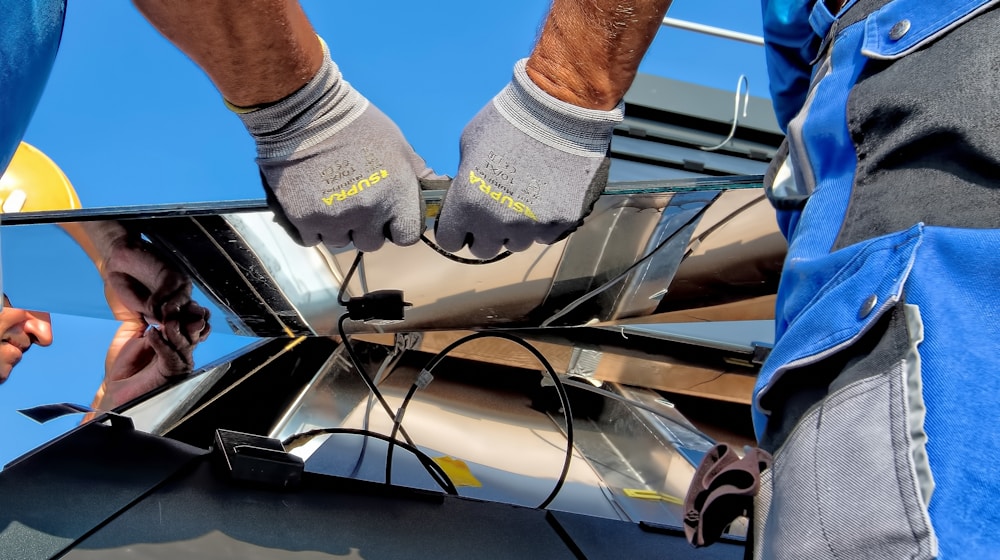
India is witnessing one of the fastest renewable energy transformations in the world. With rising electricity prices, increasing environmental awareness, supportive government policies, and attractive subsidies, the demand for rooftop and commercial solar systems has never been higher. This has created a significant opportunity for entrepreneurs to establish Solar EPC (Engineering, Procurement, and Construction) companies.
Whether you are an electrical engineer, solar sales professional, EPC contractor, installer, or entrepreneur looking to enter the clean energy sector, starting a Solar EPC business in 2026 can be a rewarding long-term venture.
This guide explains everything you need to know—from registering your company and selecting suppliers to building a sales team, winning customers, and scaling into a successful solar enterprise.
What is a Solar EPC Company?
EPC stands for:
- • Engineering
- • Procurement
- • Construction
A Solar EPC company manages the complete lifecycle of a solar project—from the first customer enquiry to the final commissioning of the solar plant.
A typical Solar EPC company performs the following activities:
- • Site survey & feasibility analysis
- • Electricity bill analysis & load calculation
- • Solar system sizing & shadow analysis
- • Proposal preparation & single-line diagrams
- • Procurement of solar panels, inverters, structures, and cables
- • Installation & electrical integration
- • Testing, commissioning & net metering documentation
- • Customer support and regular maintenance
Rather than selling only equipment, an EPC company delivers a complete turnkey solar solution.
India has become one of the world's largest renewable energy markets. Government initiatives, rising electricity tariffs, corporate sustainability goals, and increased consumer awareness are driving strong demand for rooftop solar installations across residential, commercial, and industrial segments.
Key reasons to enter this business include:
- • Growing demand for rooftop solar installations
- • Expansion of commercial and industrial solar projects
- • Attractive government incentives and subsidies (like PM Surya Ghar Yojana)
- • Low entry barrier compared to many manufacturing businesses
- • Increasing adoption in Tier 2 and Tier 3 cities
- • Recurring revenue from maintenance and annual service contracts
- • Opportunities to sell batteries, EV chargers, and energy management systems
Entrepreneurs who establish strong vendor relationships, maintain installation quality, and build a trusted local brand can create a sustainable business with long-term growth potential.
Indian Solar Market Overview (2026)
India's renewable energy sector continues to expand rapidly, with rooftop solar becoming a key contributor to distributed power generation.
Several factors are accelerating market growth:
- • Rising grid electricity costs across all states
- • Government rooftop solar initiatives and streamlined portal approvals
- • Increased awareness among residential homeowners
- • Commercial demand to reduce monthly operating expenses
- • Industrial sustainability commitments and decarbonization goals
- • Expansion of attractive solar financing options
- • Improved availability of high-efficiency solar modules (like N-Type TOPCon)
Types of Solar EPC Businesses
You do not need to serve every customer type from day one. Many successful companies begin with one niche and expand over time.
1. Residential Rooftop Solar
Suitable for homeowners seeking to reduce electricity bills through rooftop installations.
- • Large customer base
- • Faster project execution & cash cycles
- • High word-of-mouth referral rates
- • Lower initial working capital requirements
2. Commercial Solar
Ideal for businesses with high daytime electricity consumption, such as retail stores, hotels, hospitals, and educational institutions.
3. Industrial Solar
Industrial clients require large-scale systems. These projects demand detailed engineering, structural analysis, safety compliance, and project management expertise.
Skills Required Before Starting
While formal engineering qualifications can be beneficial, they are not mandatory if you build the right team.
Technical Understanding
You should understand solar panels, inverters, structures, earthing, lightning protection, cable sizing, and net metering rules.
Sales Skills
Strong sales capabilities help convert enquiries into projects via consultation, proposal presentation, and negotiation.
Financial Planning
Every project requires careful budgeting. Maintaining healthy cash flow is essential, especially during the early stages of the business.
Step-by-Step Company Registration
Registering your business establishes credibility and enables you to work with suppliers, financial institutions, and larger customers.
Step 1: Choose a Business Structure – Sole Proprietorship, Partnership, LLP, or Private Limited Company.
Step 2: Obtain GST Registration – Enables tax invoicing, input credit claims, and commercial project eligibility.
Step 3: Open a Current Account – Keep personal and business finance separated.
Step 4: Register on Government Portals – Registration with state DISCOMs and subsidy portals is necessary to deliver subsidized solar installations.
Licenses and Certifications
A professional Solar EPC company should focus on compliance and quality:
- • GST Registration & PAN
- • Company Incorporation Certificate
- • Electrical contractor licensing (mandated in some states)
- • Safety compliance certifications for project execution teams
How Much Investment Is Required?
The initial investment depends on your business scale:
- • Small Local EPC: ₹5–10 lakh
- • City-Level EPC: ₹10–25 lakh
- • Multi-City EPC: ₹25–75 lakh
- • Large Regional EPC: ₹75 lakh+
Typical expenses include office setup, computers, survey tools, marketing, safety gear, and initial working capital.
Setting Up Your Office
Your office should support both customer engagement and project execution. Essential infrastructure includes a reception area, meeting room, survey tools, safety equipment inventory, and specialized software (CRM, design tools, and proposal generators).
Step-by-Step Business Registration
Discover the steps to register a solar business for commercial approval and legal entity setup including the following:
- • Step 1: Core components and tools for proposal and design setups.
- • Step 2: Registrations prerequisites and applications.
- • Step 3: Green business Registration.
Investment Required
| Columns | Values |
|---|---|
| Investment Required | ₹ 500,000 |
| Equipment Required | ₹ 1,100,000 |
| Code certification | ₹ 70,000 |
| Investment Management | ₹ 30,000 |
| Total | ₹ 10,000,000 |
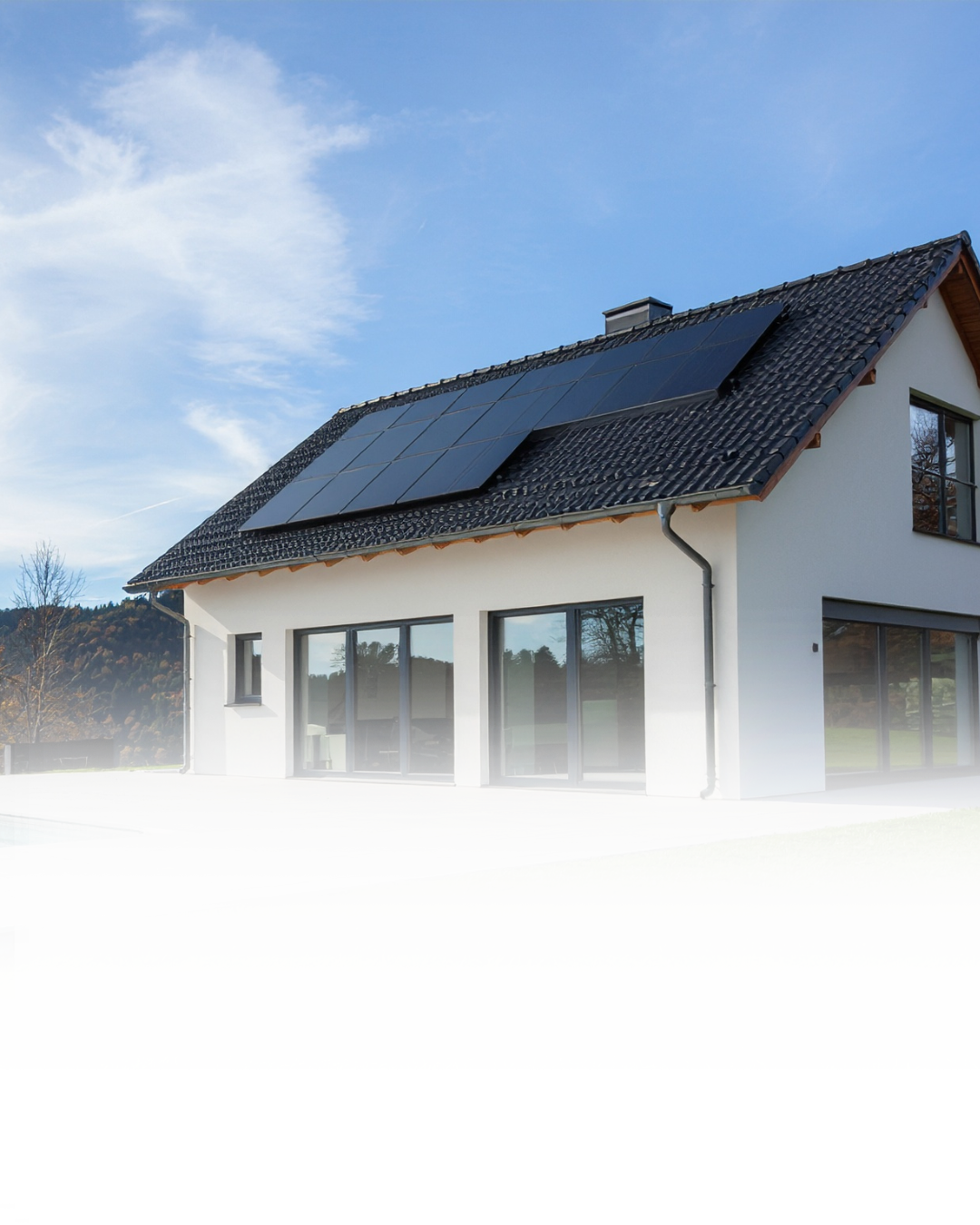
Setting Up Your Office
Setting up your office space efficiently for managing solar clients, sales, designs, and registrations.
- • Site Surveys setup
- • Software selections
- • Building Development Documents
- • Costing Solar Registration
Choosing Solar Suppliers
Choosing solar suppliers for procurement of tier-1 panels, inverters, structures and cabling.
- • Choosing Solar Suppliers based on efficiency
- • Choosing Solar Suppliers with warranty support
Building Your Team
Building our team that can execute site inspections, design panels, generate proposals, and coordinate project execution.
- • Building Your Team roles
- • Choosing Solar Supplier members
Scale Your Solar EPC Company with Staredge
Automate solar proposal generation, create 3D roof layouts, discover verified vendors, and manage solar projects from enquiry to commissioning.